The Neon Center of Skincare and Street Food
Dive into Seoul’s most overwhelming shopping district, a pedestrian maze of booming K-beauty flagships and endless rows of blazing street food carts.
Read transcript
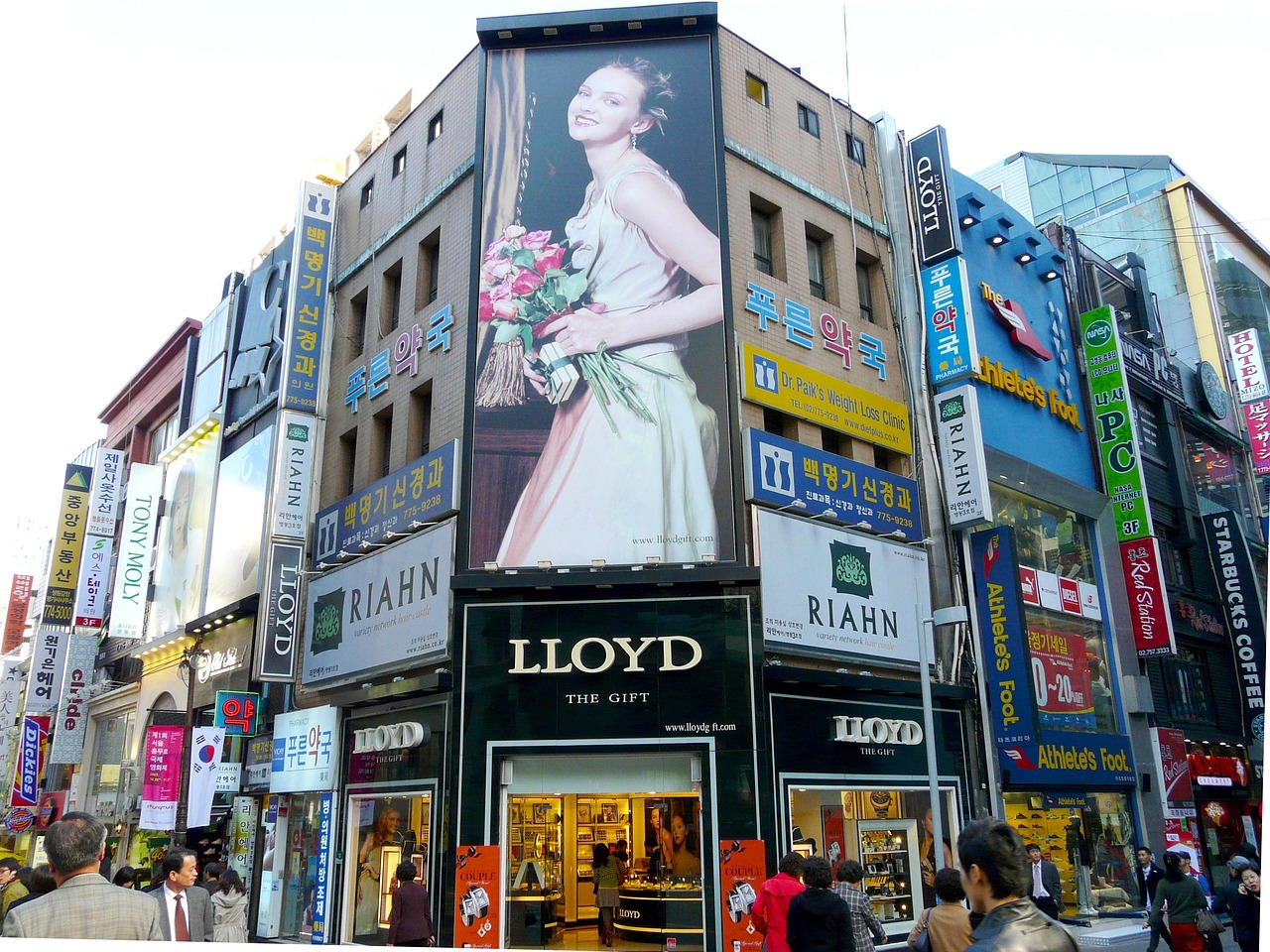
Myeongdong is the busiest shopping neighborhood in central Seoul. The streets are pedestrian-only.
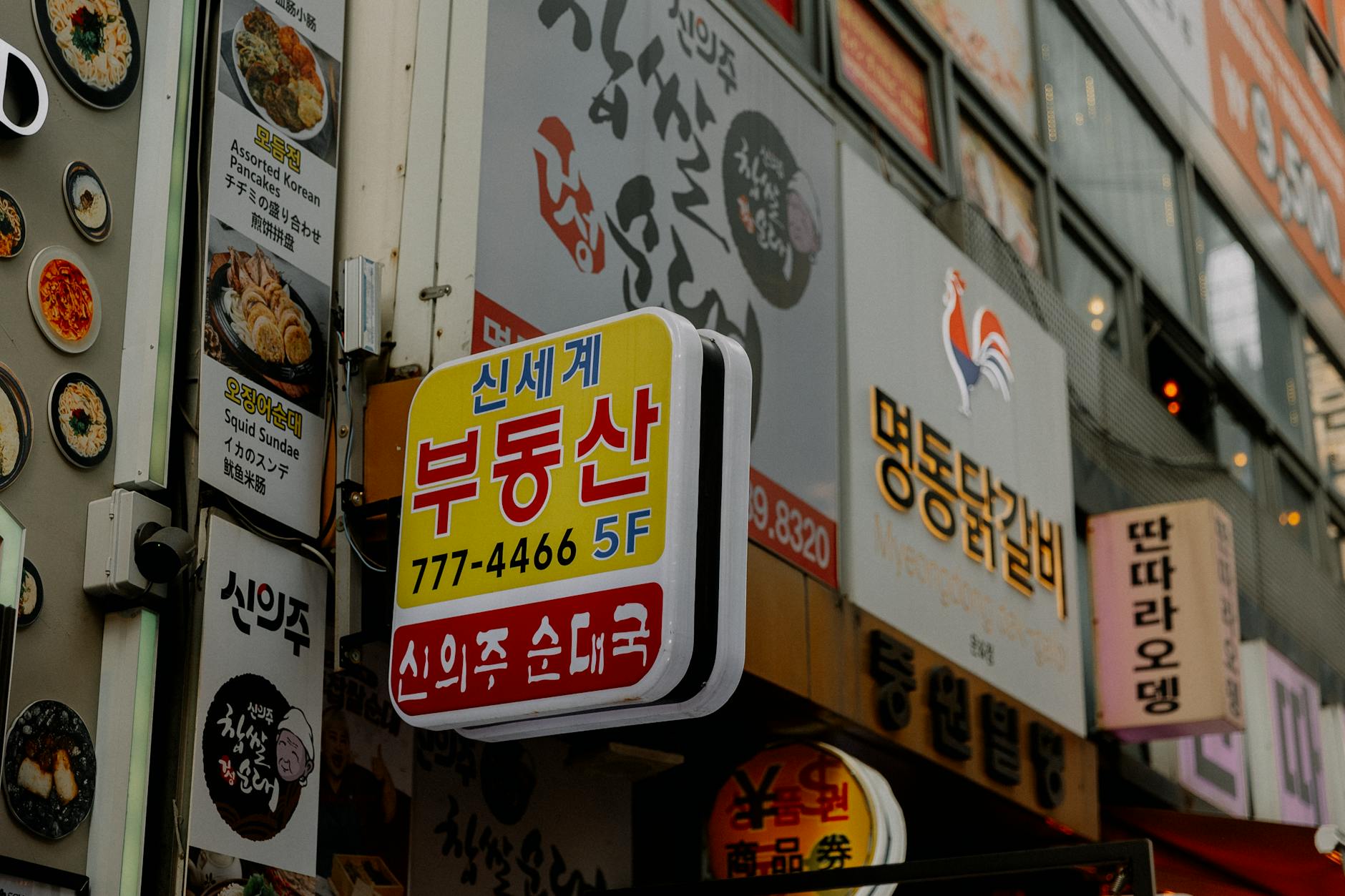
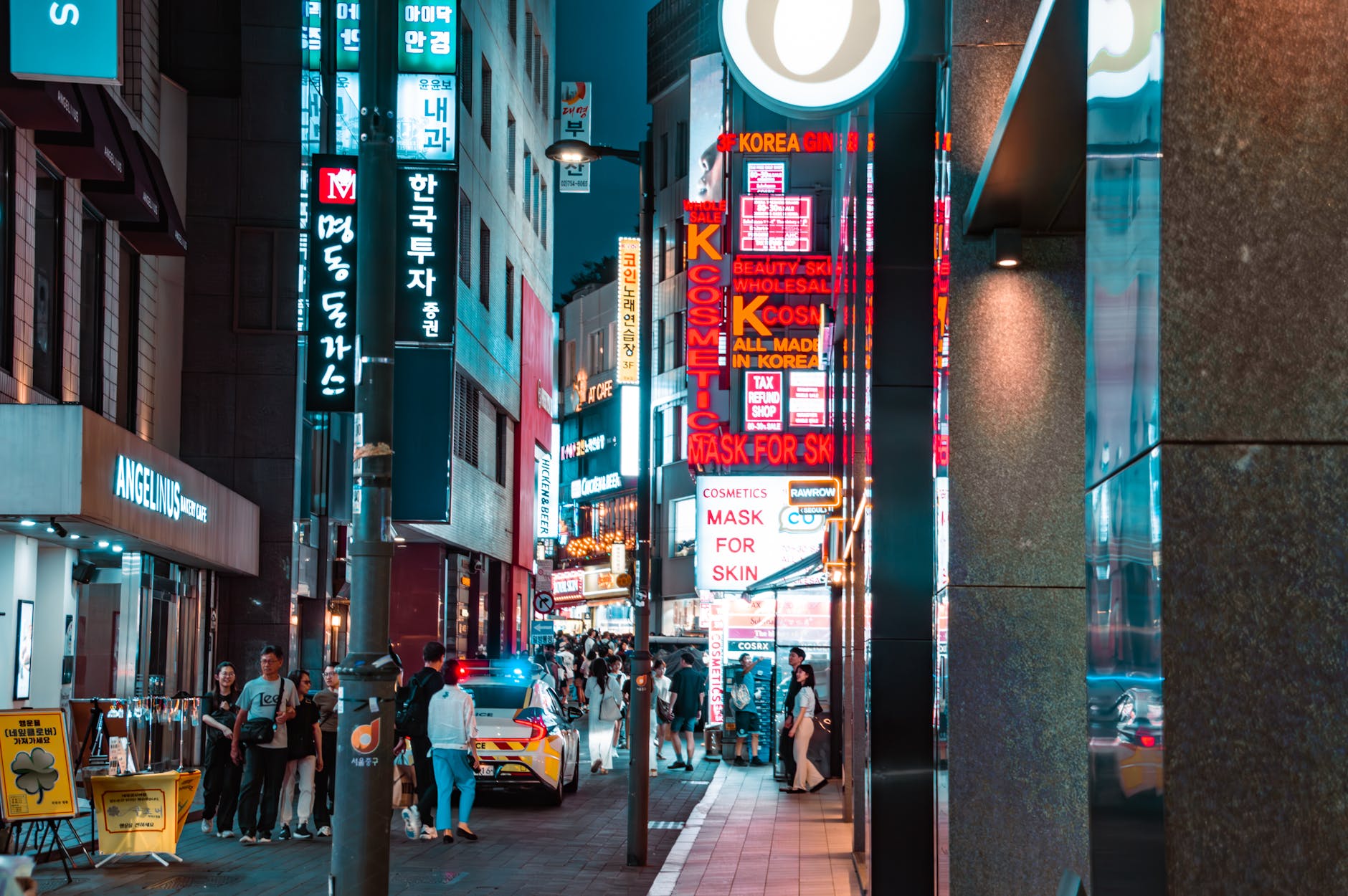
Everywhere you look, there are Korean skincare and makeup stores. It is completely normal to pass three branches of the exact same brand on a single block. Shopkeepers stand out on the pavement, holding out free face masks to coax you inside. Loud music blasts from the open doors.
And under all that shopping noise, Myeongdong runs on a set of rules—about rent, permits, and even sanctuary—that most visitors never see.
The other reason people come here is the street food. In the late afternoon, an endless line of metal carts rolls right down the middle of the main avenues. By evening, the entire neighborhood becomes a massive open-air night market. You can grab hotteok, a sweet pancake stuffed with brown sugar and nuts. You can eat spicy rice cakes, or even blowtorched scallops covered in melted cheese.
Do not bother coming in the morning. The streets will be empty and the shops will be closed. Wait until the late afternoon. That is when the neon signs turn on, the food carts fire up their grills, and the crowds pour in.