Know before you go
- Best time
- Late morning Last reviewed · July 10, 2026
- Price
- No street admission; shops, galleries, and tea houses cost extra Checked at the source · July 10, 2026
- Time needed
- 45–90m Last reviewed · July 10, 2026
- Closures
- Public street; individual businesses set their own closing days Checked at the source · July 10, 2026
- Crowds
- Weekends and pedestrian hours are busier Last reviewed · July 10, 2026
A look around


The story
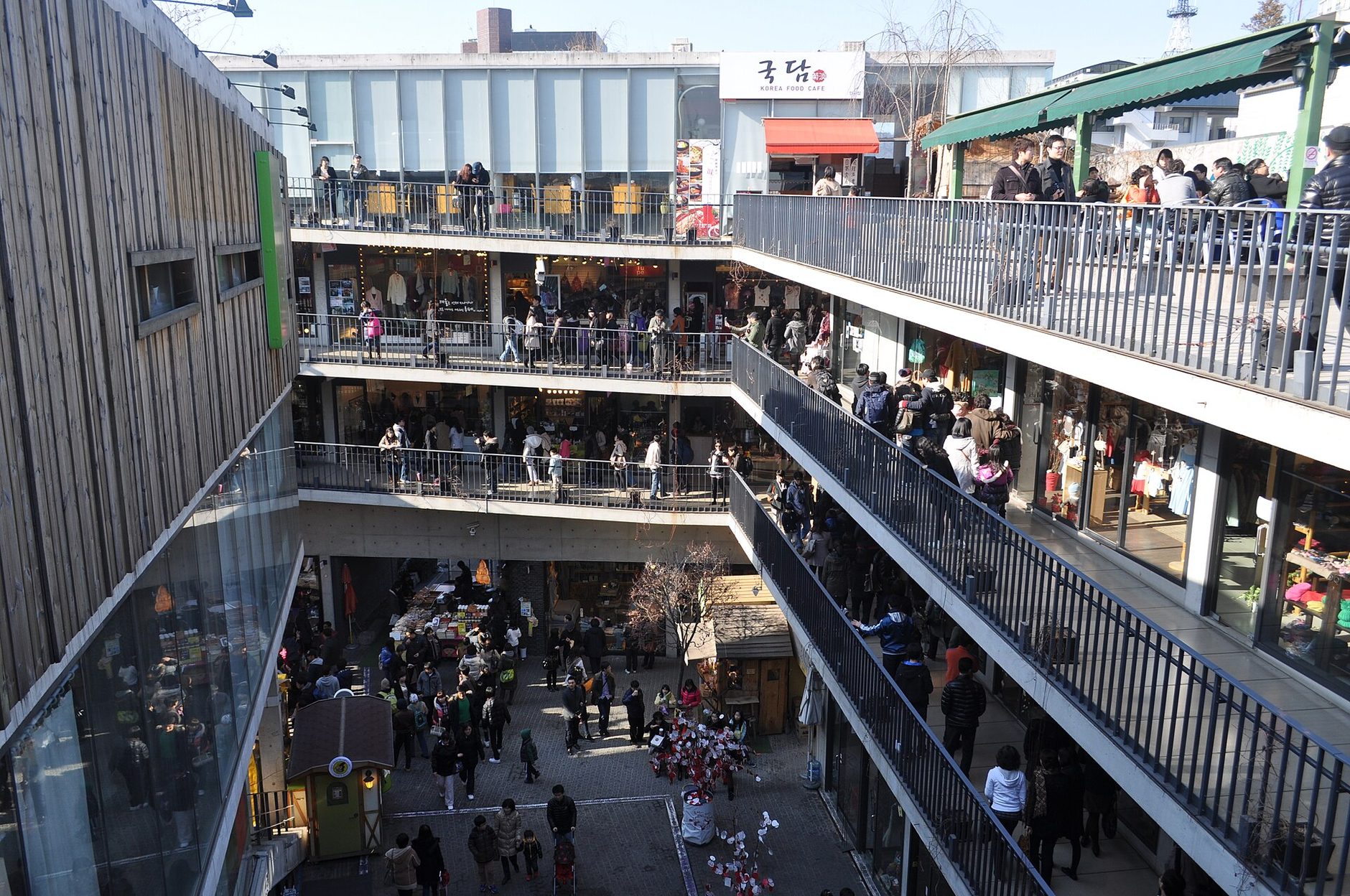
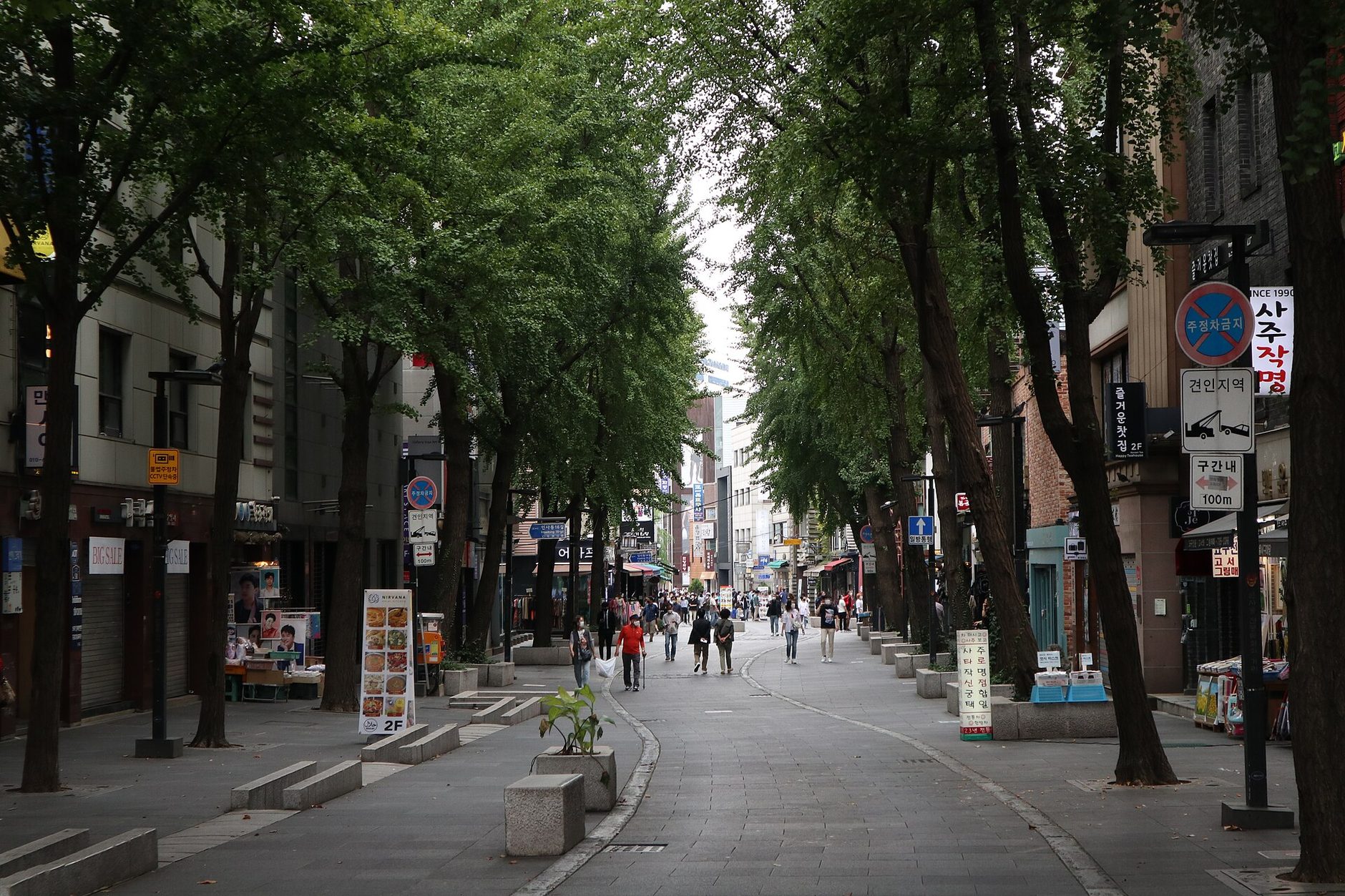
Insadong is central Seoul’s historic quarter for traditional arts, antiques, and teahouses. Today, its main thoroughfare is a crowded pedestrian drag heavily geared toward tourists, lined with factory-made souvenirs, cosmetics storefronts, and street food vendors. But slip behind this commercial surface into the dense network of narrow alleys (golmok), and the atmosphere shifts. Here, centuries-old traditional courtyard houses (hanok) still operate as independent galleries, taverns, and tea rooms.
Because Insadong sits directly between Seoul’s two main royal palaces, Gyeongbokgung and Changdeokgung, it was once the city's prime real estate. During the Joseon Dynasty, Yangban (aristocratic scholar-officials) built walled hanok estates here. The neighborhood also housed the Dohwaseo, the Royal Bureau of Painting. Merchants set up shop to supply these royal artists with calligraphy brushes, inkstones, and traditional mulberry paper, laying the district's artistic foundation.
When Japan annexed Korea in 1910, the Yangban lost their government stipends and political power. Stripped of income, fallen aristocrats began carrying their family heirlooms out of their courtyards to sell on the street. Insadong morphed into a sprawling open-air market for antique celadon, Joseon white porcelain, and rare books, which were bought up cheaply by Japanese colonial officials and collectors.
Following the Korean War, the district rebuilt itself as Seoul’s bohemian quarter. The surviving antique dealers were joined by struggling artists, dissident writers, and intellectuals. They gathered in cheap makgeolli (rice wine) taverns and dabangs (teahouses) to debate politics and art under the radar of military dictatorships. Korea's first modern commercial art galleries opened in these rooms.