Know before you go
Choosing one palace? Pick Changdeokgung for a quieter visit and the Secret Garden; its garden uses a separate timed ticket. Pick Gyeongbokgung for the grander scale and classic first-visit experience.
Trip starting point
A look around


The story
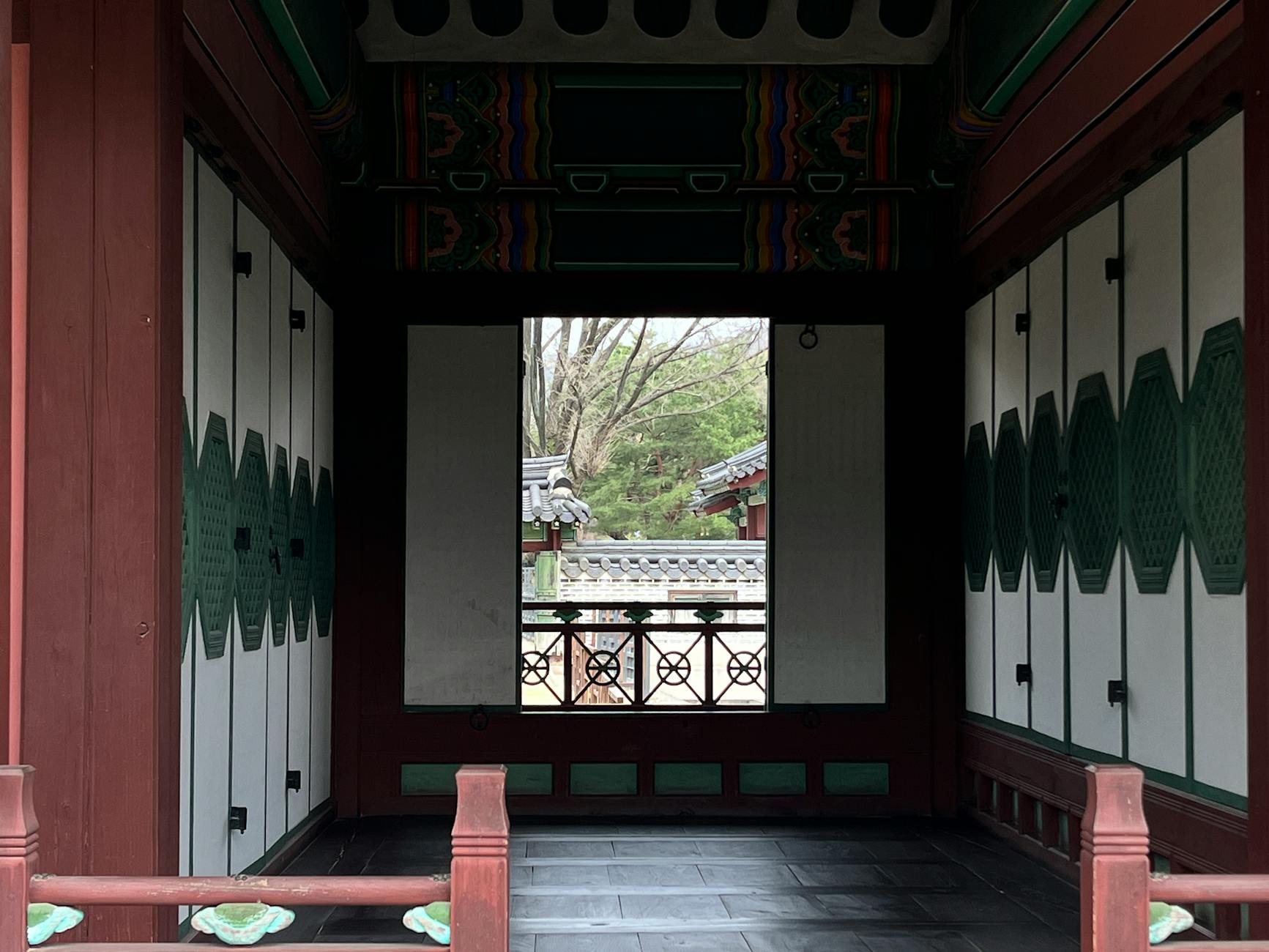
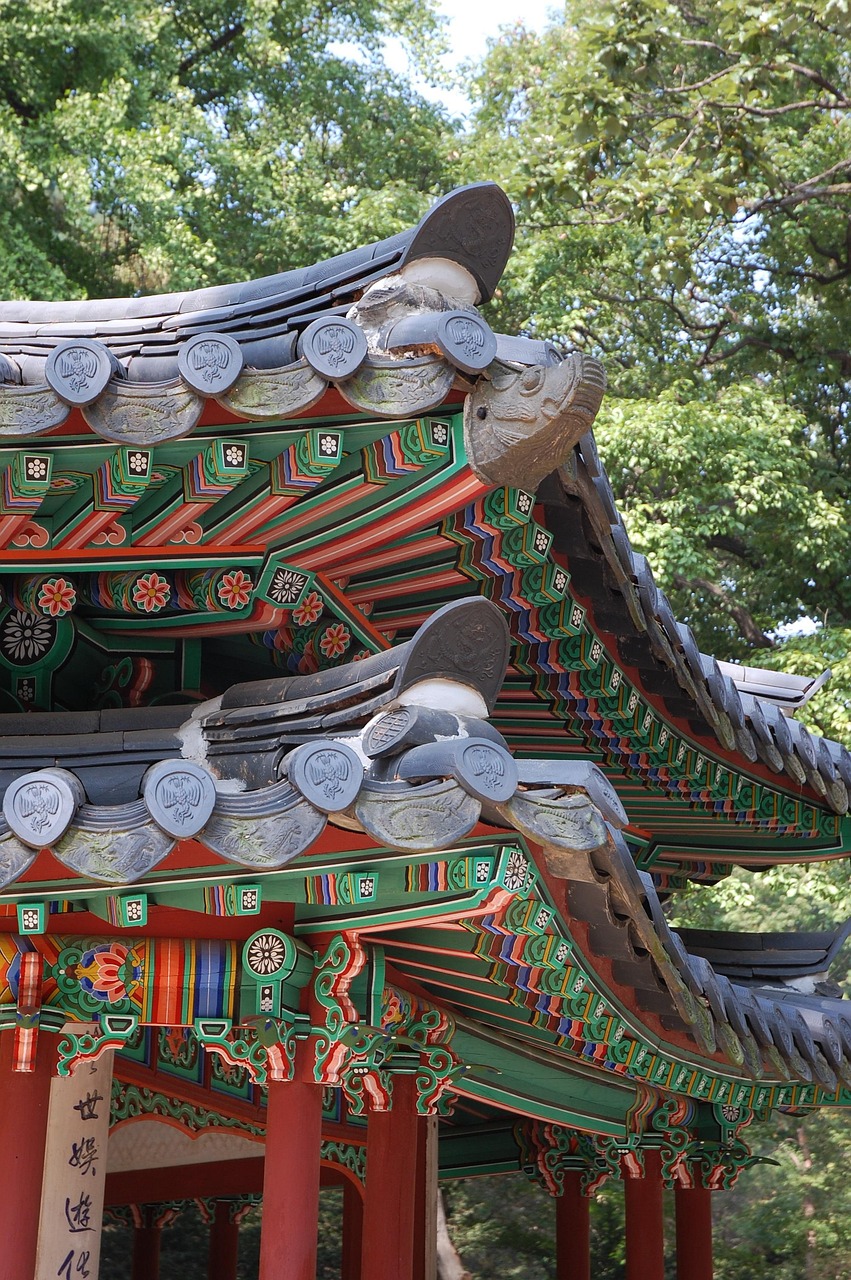
Changdeokgung is a 15th-century royal palace built into the foothills of Maebong Peak in central Seoul. While the larger Gyeongbokgung palace was the strictly symmetrical symbol of the Joseon Dynasty, Changdeokgung was the working household. Operating as the primary seat of government for over 250 years, it was designed to flow with the natural topography rather than flatten it. Courtyards bend around the mountain's slope, and a massive rear woodland garden consumes more than half the property.
King Taejong, the third king of the Joseon Dynasty, seized the throne by murdering his half-brothers inside Gyeongbokgung. Haunted by the halls where he had killed his family, he ordered a secondary palace built to the east in 1405. The architect, Park Ja-cheong, abandoned the rigid, leveled grids of Chinese-influenced design. Following the principles of Pungsu-jiri (Korean Feng Shui), he let the topography dictate the architecture, staggering the pavilions to step up the uneven ground of the mountain's slope.
During the 1592 Japanese invasion, enraged citizens and advancing samurai burned all of Seoul’s palaces. When the dynasty recovered in 1610, the court looked at the massive ruins of Gyeongbokgung and saw an expensive bad omen. They rebuilt Changdeokgung instead, making it the primary royal residence for the next two and a half centuries.
It remained the seat of power until 1868, when the court finally rebuilt Gyeongbokgung. But history soon forced them back into Changdeokgung’s walls. After Japan annexed Korea, the colonial government confined the last monarch, Emperor Sunjong, here. They physically altered the grounds to accommodate modern tastes, tearing up courtyard stones to pave driveways for automobiles and replacing traditional floors with Western reception rooms. Sunjong lived under effective house arrest here until his death in 1926.
Find a Seoul guide for this stopBrowse the routes and choose the one that fits your trip. ›