Place guide

Know before you go

Best time
Golden hour
Last reviewed · July 10, 2026
Price
₩29,000 adult observatory admission
Checked at the source · July 9, 2026
Time needed
1–2 hours
Last reviewed · July 10, 2026
Closures
Open 365 days
Checked at the source · July 9, 2026
Crowds
Sunset and weekends are busiest
Last reviewed · July 10, 2026
Hours
Observatory 10:00–22:30 weekdays; 10:00–23:00 weekends and holidays
Checked at the source · July 12, 2026
Booking
Advance booking is optional; observatory tickets are sold online and on site
Checked at the source · July 10, 2026

A look around

The story

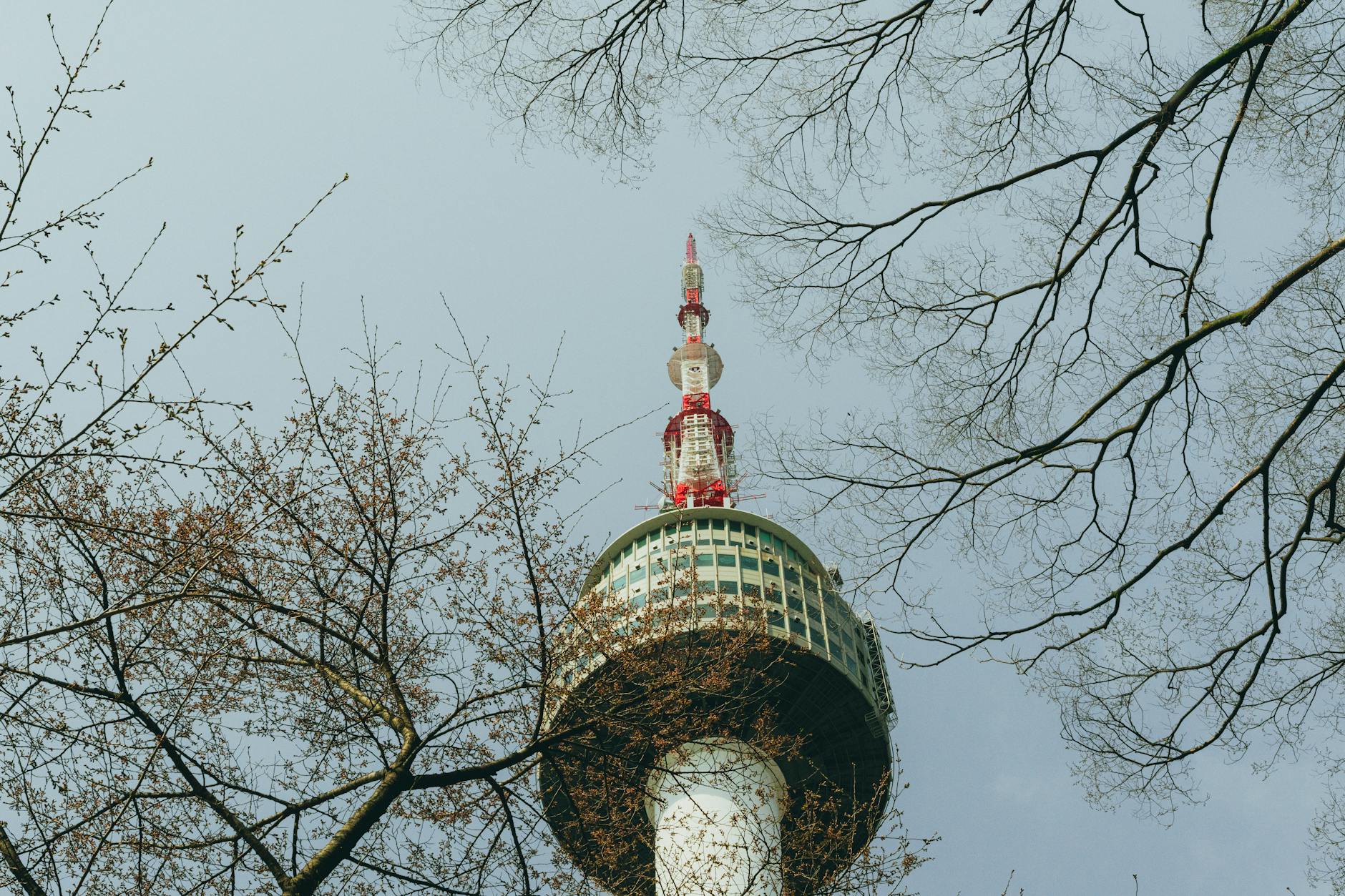
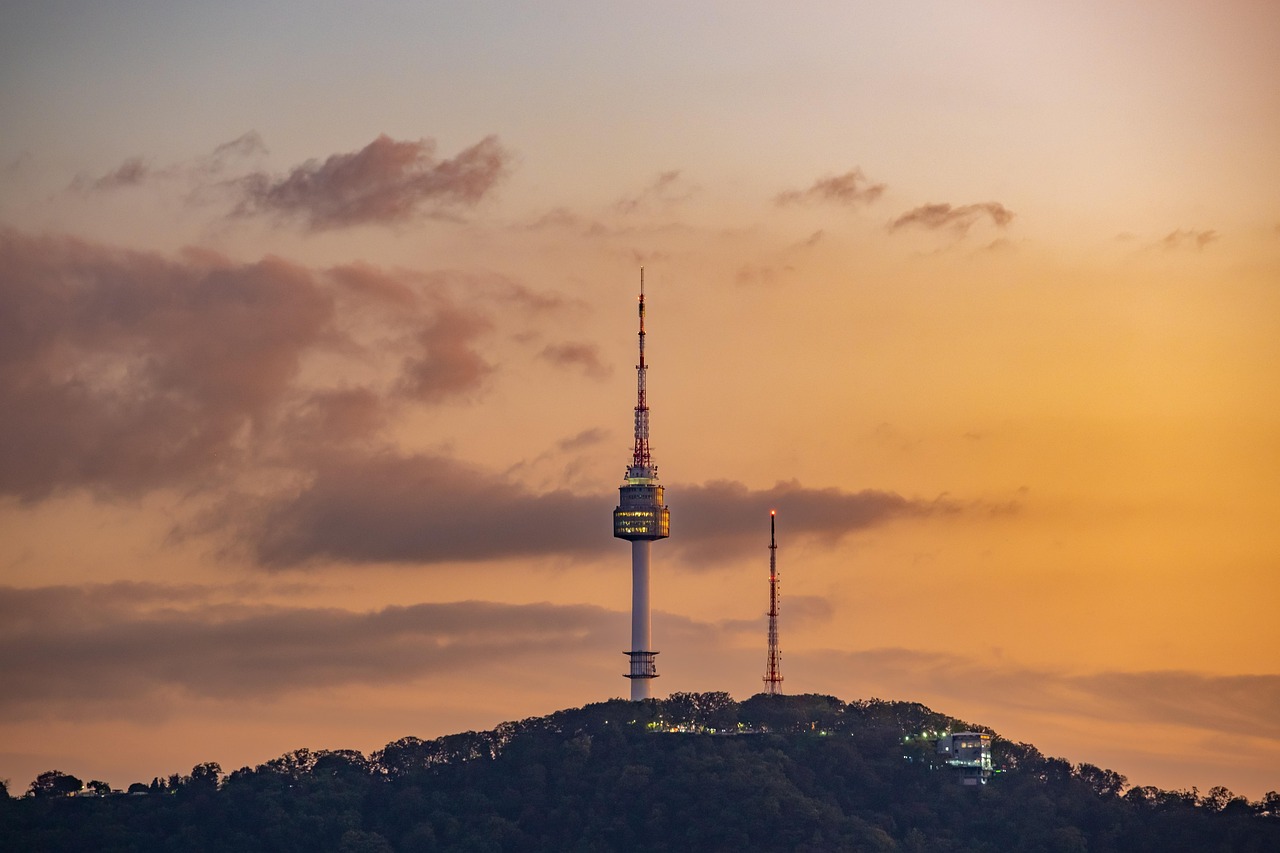
N Seoul Tower is a 236-meter broadcasting mast pinned to the peak of Mount Namsan, dead center in the capital. Originally built in 1969 to beam television and radio signals over the city's uneven terrain, it remains an active transmission tower and a live air-quality monitor. For locals and visitors alike, it functions as Seoul's geographic compass point, topped with a high-altitude observation deck and encrusted at its base with massive clusters of brass padlocks.

Long before the concrete mast was poured, Mount Namsan formed the southern wall of the Joseon capital. Topped with the Bonghwadae, a system of stone beacon mounds, the mountain was ancient Korea’s central communication hub. In peacetime, guards kept one fire burning; if border conflicts erupted, they lit up to five.

During the Japanese colonial period, the mounds were leveled for a Shinto shrine. Decades later, the authoritarian government buried its secret police headquarters at the mountain's base. For generations, Namsan was not a place civilians went for the view—it was a site of closed doors, restricted access, and state control.

By 1969, South Korea was industrializing quickly, but broadcasters were struggling to push television signals over Seoul’s deep valleys. The government commissioned a single, massive transmission tower at the city's highest central point. The functional concrete shaft and steel truss were finished in 1971, but the observation deck remained locked. Paranoia overruled tourism: following a 1968 assassination attempt by North Korean commandos, the regime decided that giving the public a panoramic vantage point over the presidential residence and military installations was an unacceptable security risk.

Trips that start here