Know before you go
- Best time
- After dark for photos Last reviewed · July 10, 2026
- Price
- Free; exhibits vary Checked at the source · July 9, 2026
- Time needed
- 45–90m Last reviewed · July 10, 2026
- Closures
- Open daily; hours and closures vary by space Checked at the source · July 9, 2026
- Crowds
- Exhibition openings and weekends are busiest Last reviewed · July 10, 2026
A look around

The story
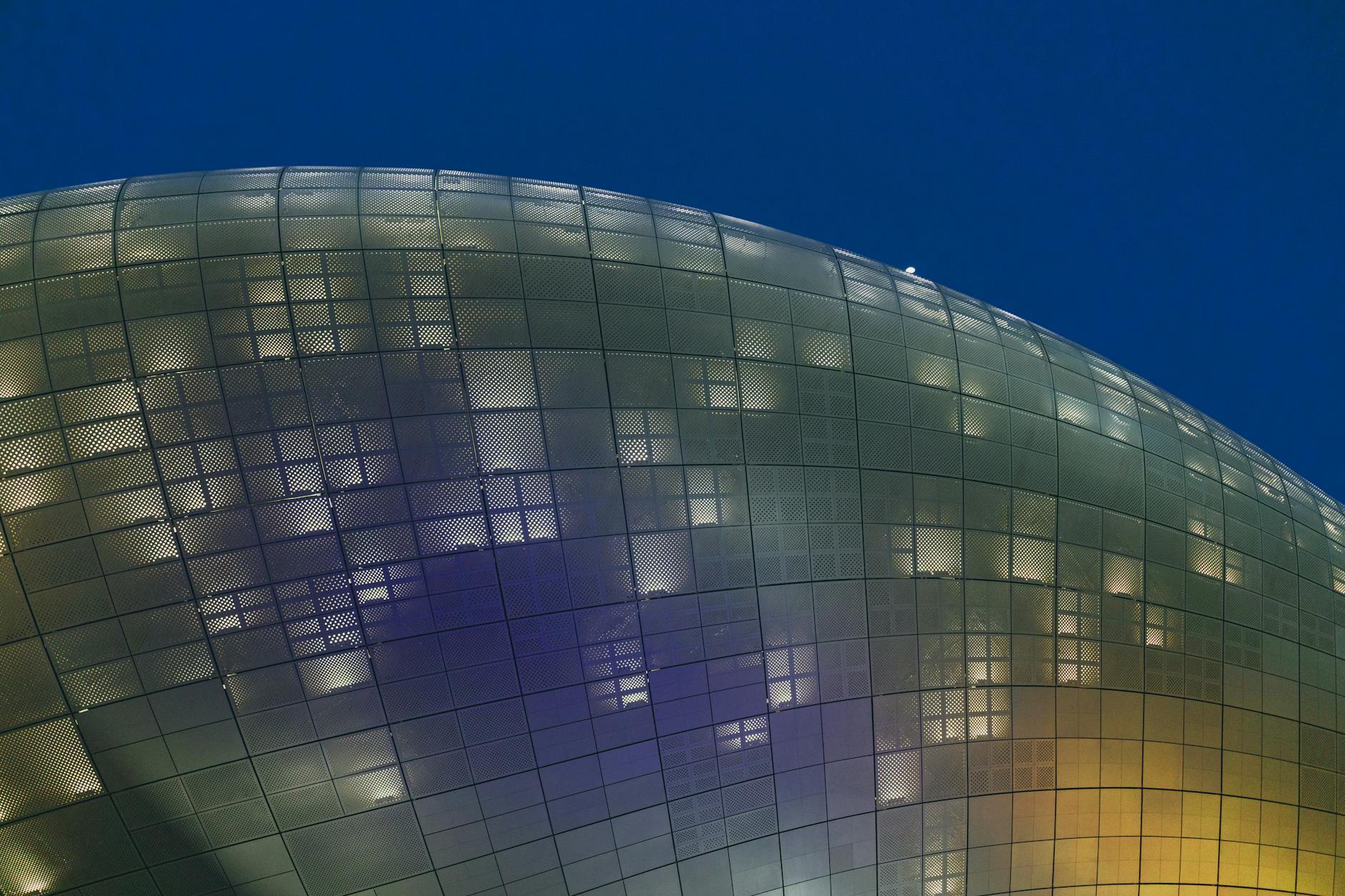
Dongdaemun Design Plaza (DDP) is a sprawling, windowless expanse of curved aluminum in central Seoul, designed by the late architect Zaha Hadid. Originally conceived to rebrand the city's industrial image, it erased a 1925 baseball stadium and a massive working-class textile market to make way for the official home of Seoul Fashion Week. Today, it functions less as a traditional building and more as an artificial landscape—a cornerless terrain of exhibition halls, design labs, and retail stores that you can walk through, under, and over.
In the mid-2000s, Seoul’s government decided to overwrite the city's industrial reputation. They targeted the Dongdaemun district, long the epicenter of Korean textile manufacturing and home to a colossal, chaotic night market that had swallowed a decaying 1925 baseball stadium. The city evicted the vendors, tore down the bleachers, and commissioned Zaha Hadid to drop a monumental design center into the void.
Hadid envisioned a structure without straight lines or sharp corners, meant to echo the 24-hour slipstream of the surrounding fashion district. But during excavation in 2008, backhoes hit a literal wall: the buried foundations of a Joseon Dynasty fortress and an ancient water gate. Rather than paving over the past, Hadid pinched and pulled her digital footprint to spare the ruins, bringing her sweeping metallic hull to a halt right at the edge of the 600-year-old masonry.
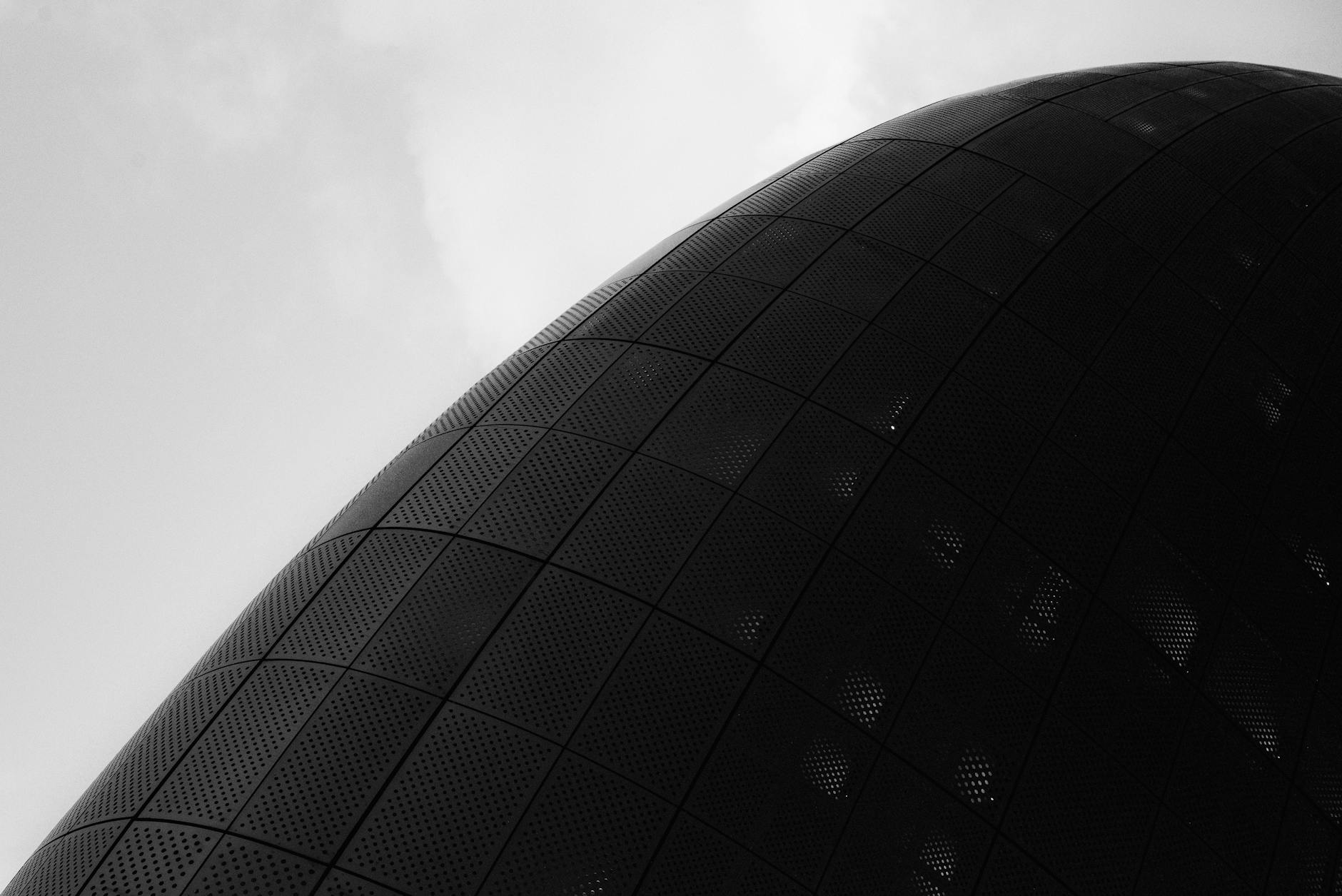
Building an enclosure without a single right angle required aerospace-grade modeling software. The exterior is wrapped in 45,133 aluminum panels, every one uniquely curved and perforated to map the undulating shape. At $500 million, the project faced fierce backlash for its budget, the displaced working-class vendors, and an alien aesthetic that seemed to ignore the neighborhood entirely. Yet when it opened in 2014, the friction faded. Pedestrians realized the sloping rooflines were actually sidewalks, and the cavernous, column-free interior felt less like an institution and more like a canyon to wander.